현재 프라이빗 베타 진행 중 • 곧 공개 출시 • 2026년 5월
AI 이미지 편집기
고급 AI 아키텍처를 사용하여 이미지를 편집하고 변환하는 브라우저 기반 플랫폼입니다. 곧 출시됩니다.
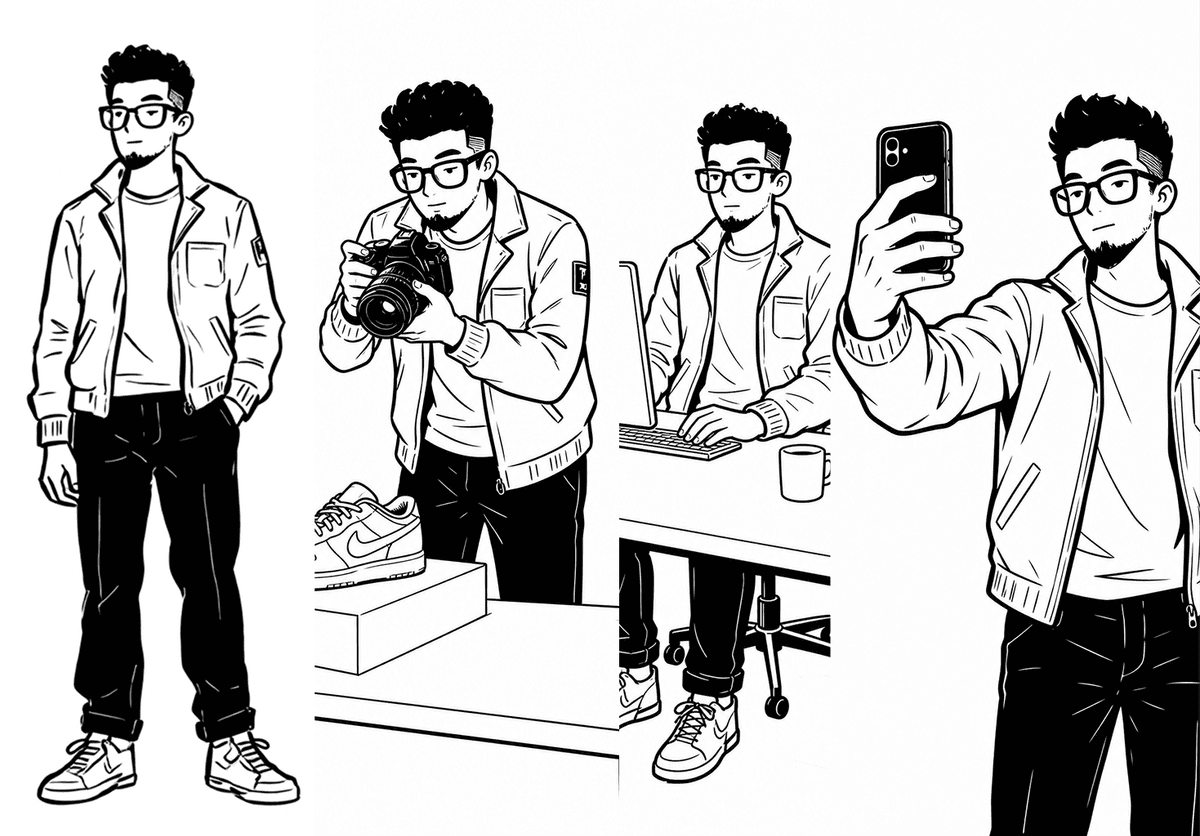
편집 시 일관된 캐릭터 유지
수정 사항을 적용하면서 구조적 정체성을 유지합니다. 브랜딩 및 내러티브 비주얼 개발에 적합합니다.
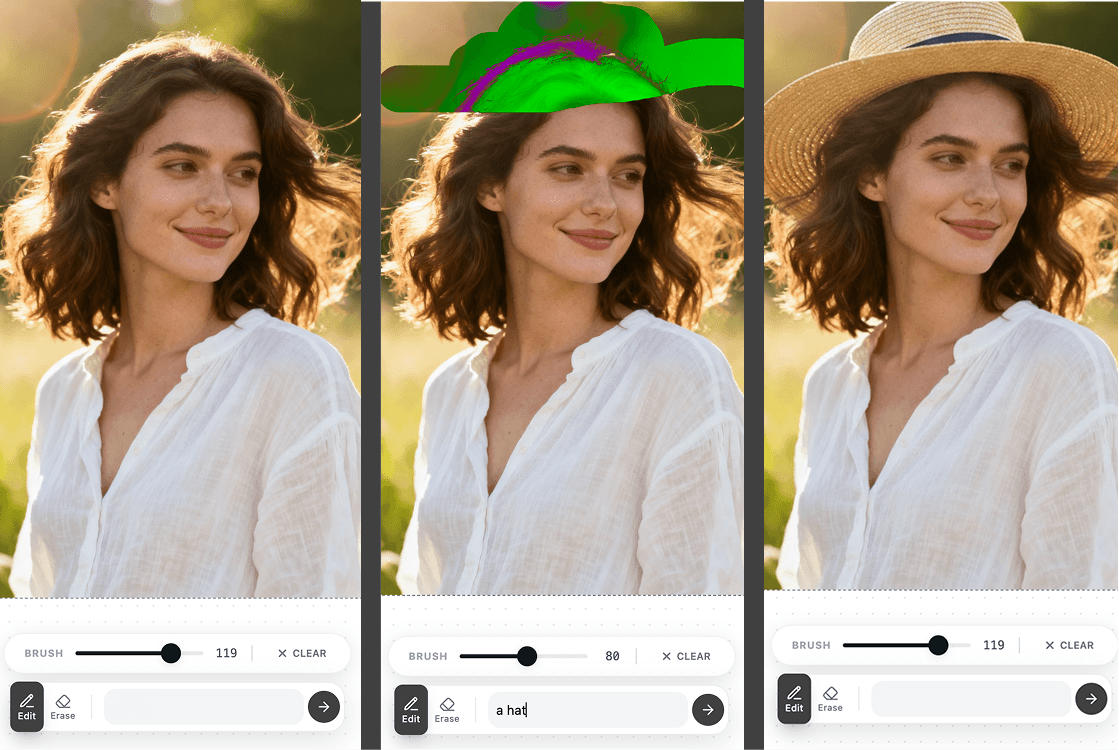
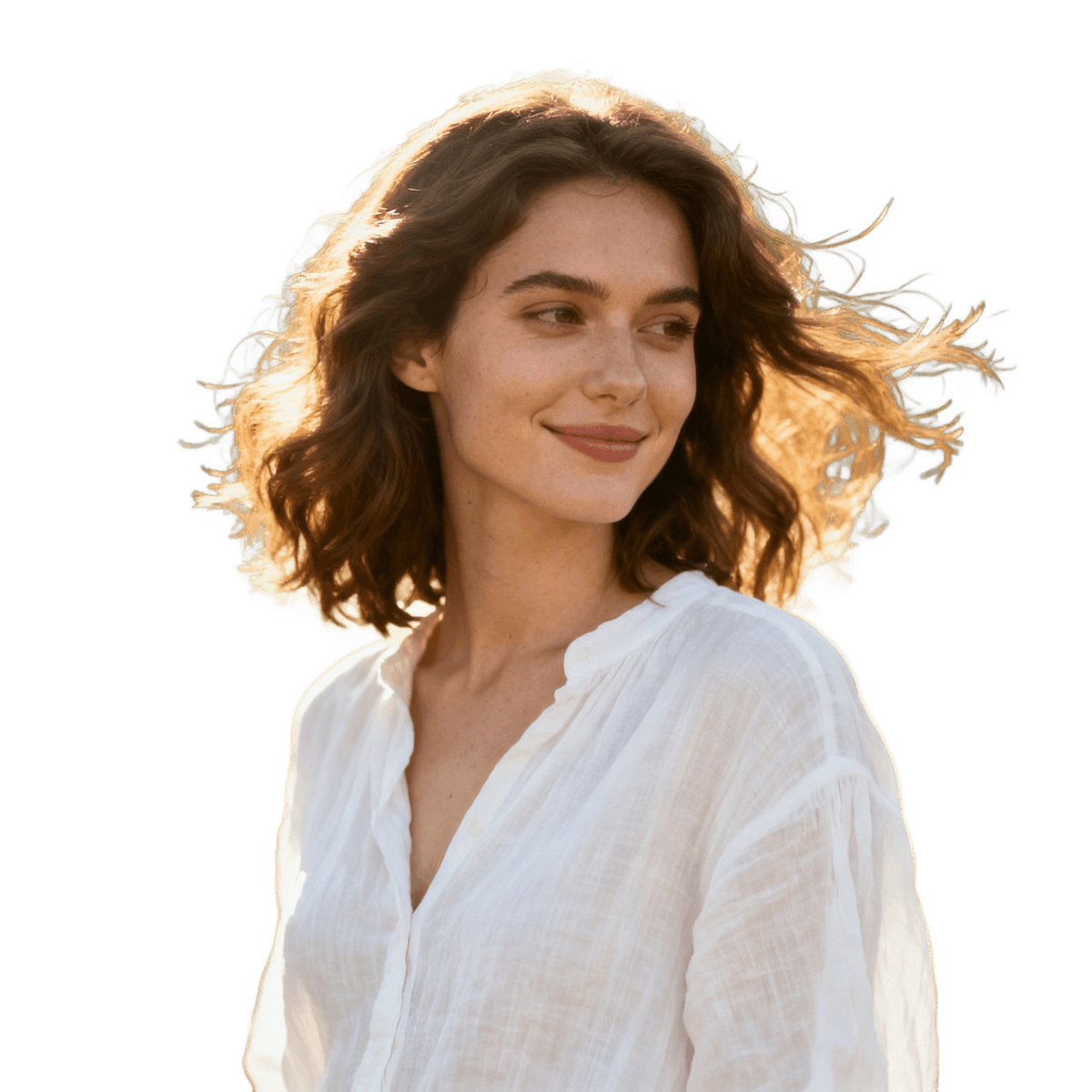
배경 제거 및 편집
의미론적 설명을 통해 환경을 수정합니다. 고정밀 마스킹으로 창의적이고 전문적인 작업이 가능합니다.
Built for real workflows
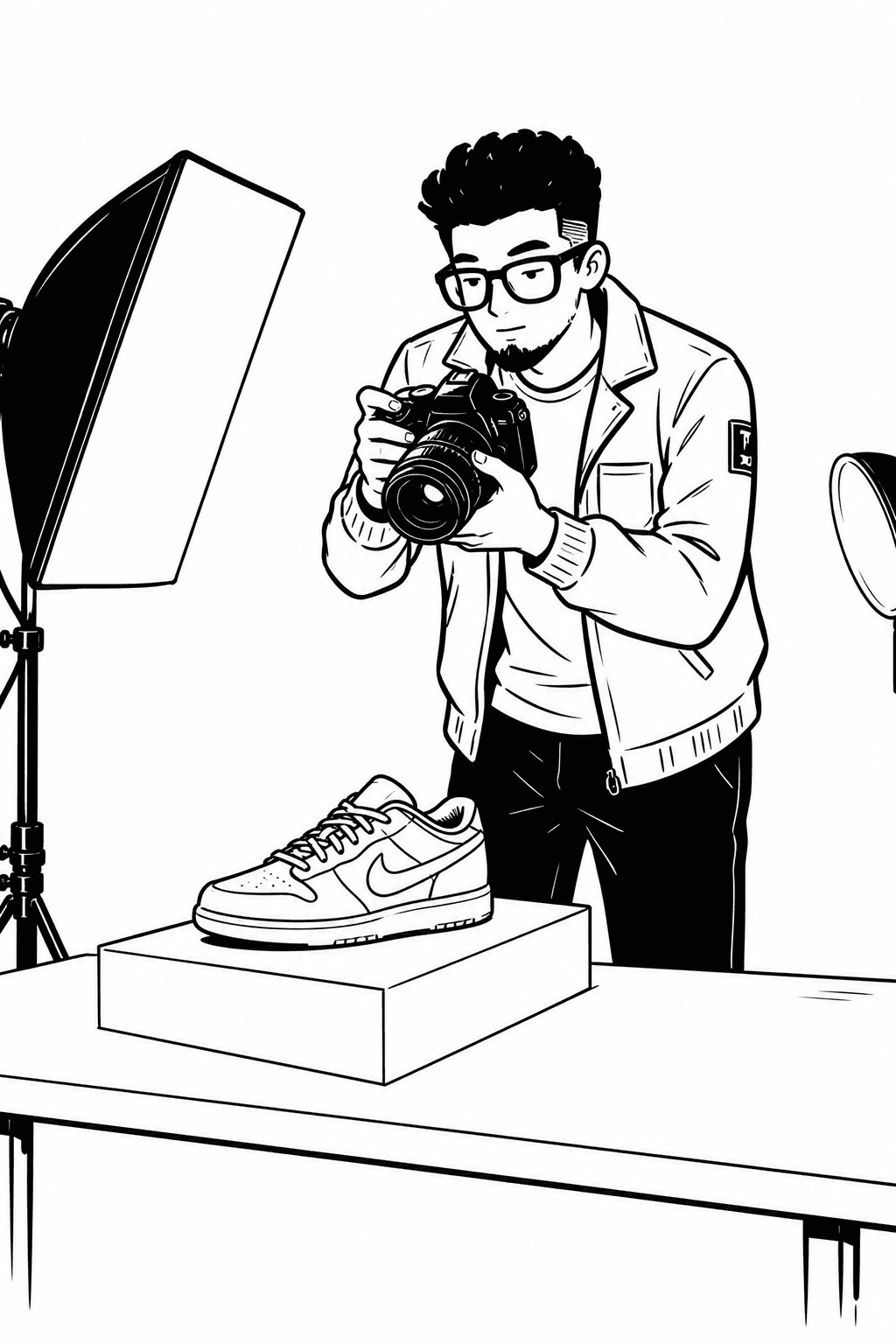
E-commerce product photography
Generate professional studio shots from smartphone photos. Change backdrops, adjust lighting, and optimize for marketplaces in seconds.
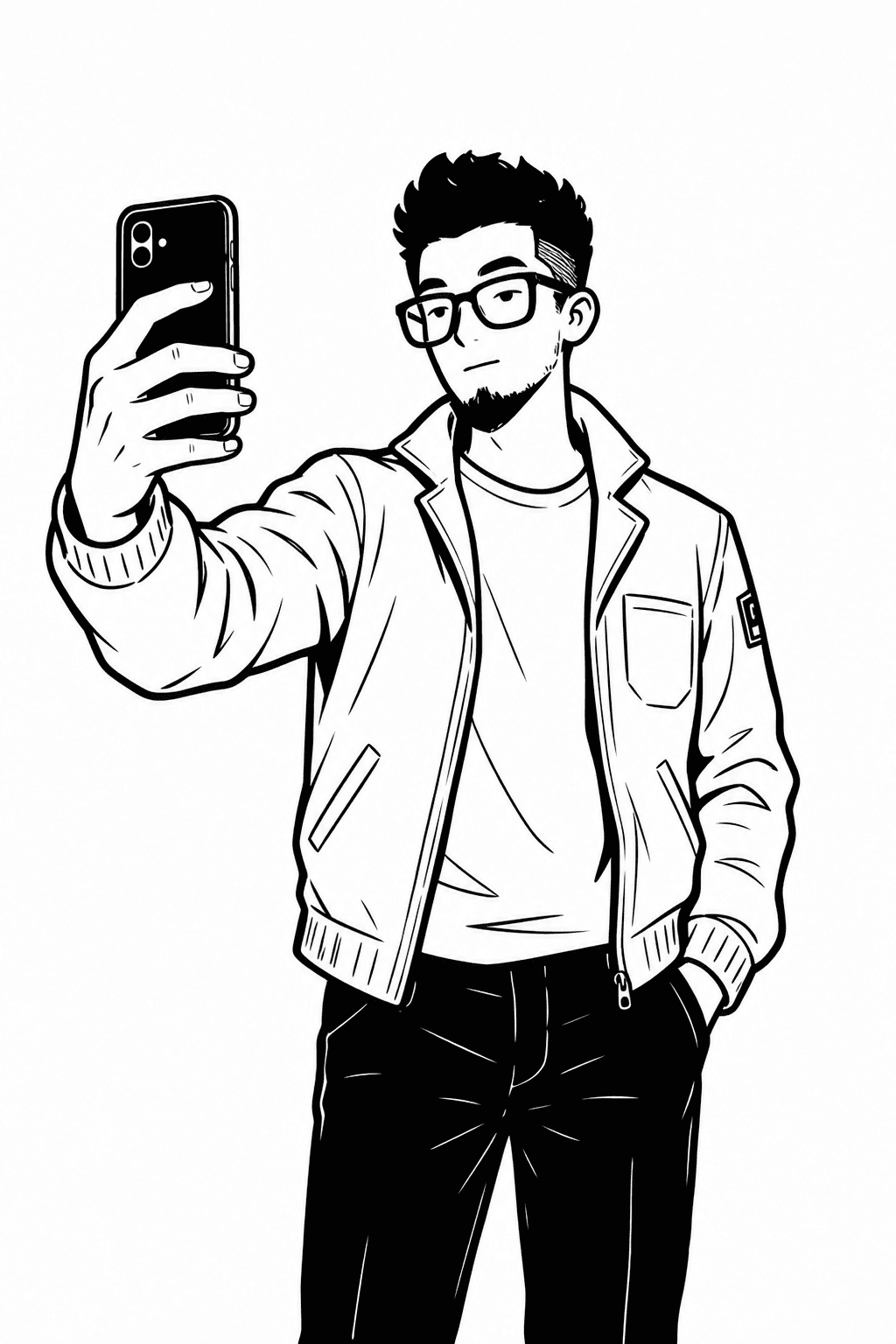
Social media content
Create eye-catching visuals for Instagram, TikTok, and Pinterest. Add stylized effects and consistent branding without leaving your browser.
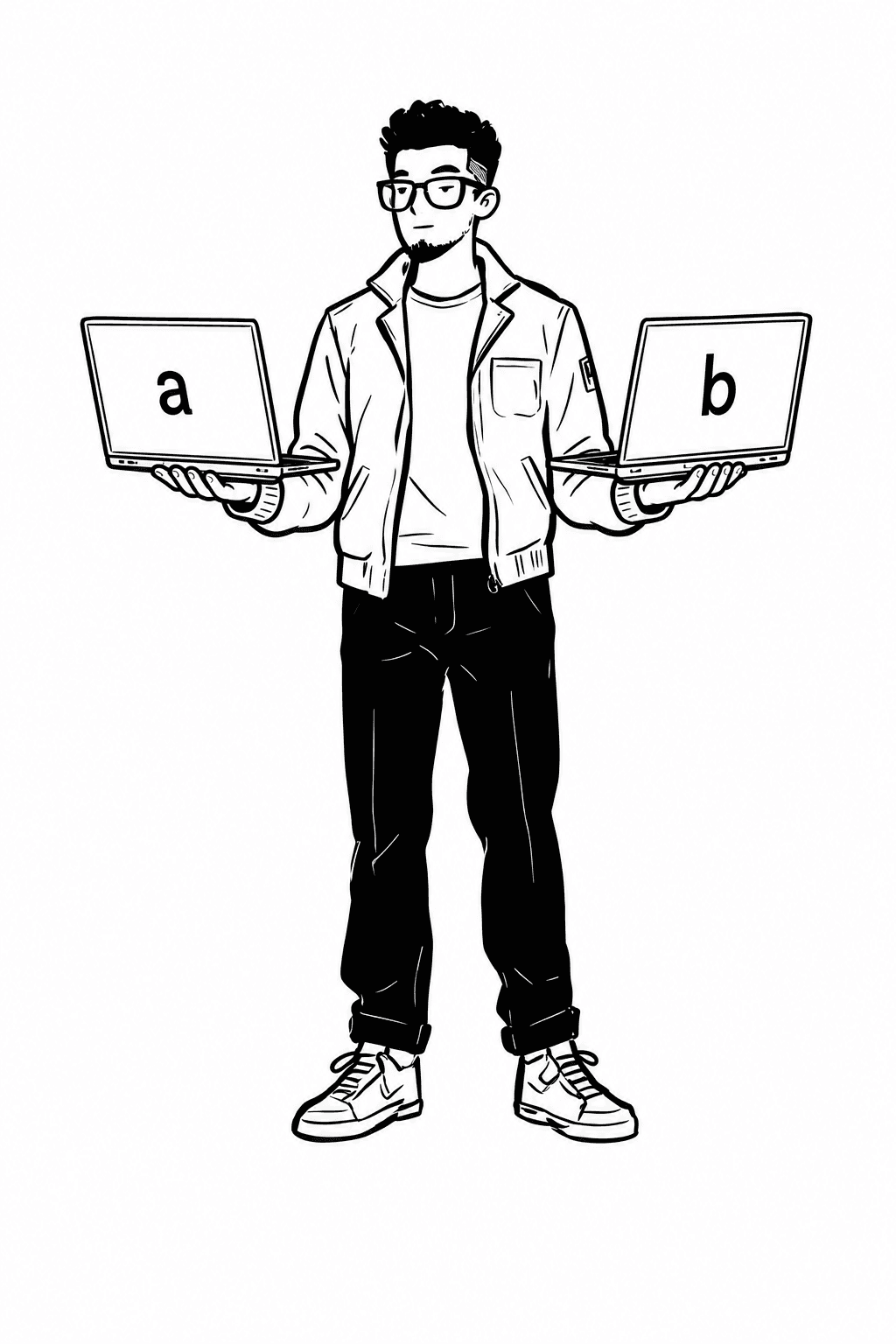
Marketing creative
A/B test different visual styles instantly. Transform generic stock photos into brand-specific assets that convert your target audience.
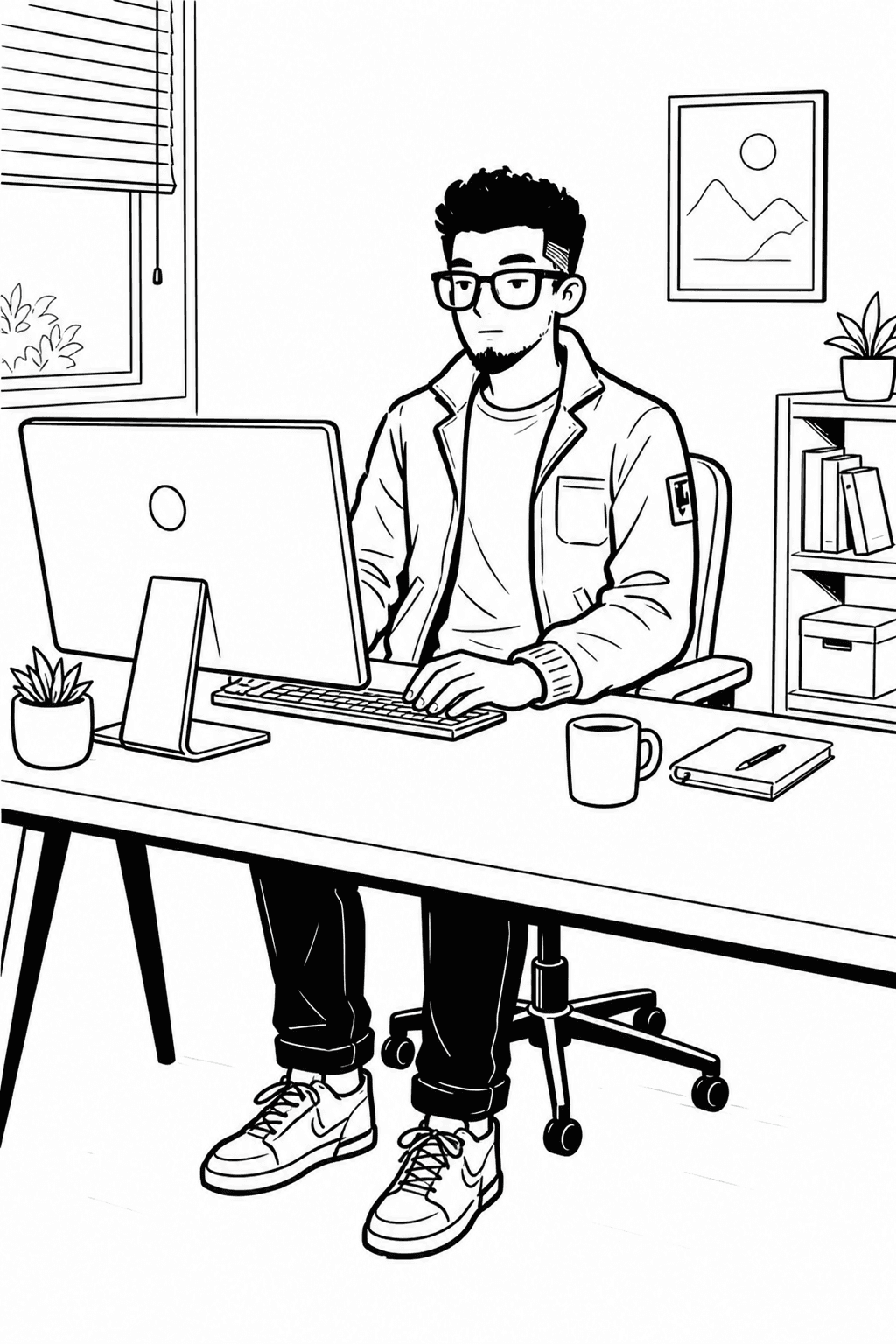
Personal photo editing
Restore old memories or enhance your travel photos. Remove unwanted objects and achieve professional looks without learning Photoshop.
Supported Architectures
Nano Banana
Designed for rapid stylized modifications and optimized social media assets. This architecture focuses on low-latency processing while maintaining defined artistic parameters.
GPT Image
Utilizes advanced semantic visual models to interpret complex prompt hierarchies. It excels at maintaining spatial relationships between multiple objects in a single edit.
SeeDream
A generative engine focused on high-fashion aesthetics and stylized surreality. It is suitable for marketing materials that require a specific editorial or artistic direction.
Qwen
A robust transformer-based model capable of localized texture restoration. It provides highly reliable results for photo enhancement and regional color corrections.
FLUX
Our primary model for high-fidelity photorealism. FLUX is engineered for pixel-perfect detail, accurately calculating light transport, reflections, and shadow depth.
AI로 이미지 편집하기
모델 선택
실사부터 일러스트까지 스타일에 가장 적합한 AI 엔진을 선택하세요.
이미지 업로드
파일을 에디터에 끌어다 놓으세요. 고해상도 PNG, JPG, WebP 형식을 지원합니다.
편집 내용 설명
쉬운 언어로 AI에게 무엇을 바꿀지 말해주세요. 복잡한 파라미터는 필요 없습니다.
생성 및 다운로드
결과를 미리보고 필요한 경우 다듬은 후 고해상도 편집본을 내보내세요.
자주 묻는 질문
An AI image editor is a tool that utilizes neural networks to automate complex visual tasks. It allows for operations like background separation, style transfer, and object-based editing through descriptive instructions. By understanding the context of an image, these systems can perform adjustments that traditionally required manual masking and professional software experience.
Yes, image-editor.ai is building a free-to-access platform for image editing. Upon launch, we plan to provide a set number of free daily credits to all users, allowing for high-resolution processing without upfront costs.
Determining the best AI image editor depends on specific technical requirements. A professional tool should provide a variety of models, such as FLUX or SeeDream, to handle different aesthetic and resolution needs.
Our platform is designed for a low-friction experience. Many baseline editing features will be available without a mandatory account.
The editor is engineered to support common professional formats including PNG, JPEG, WEBP, and AVIF.
Images processed via our editor are intended for a wide range of uses, including commercial projects. As the field of AI-generated content evolves, we recommend staying informed about the specific licensing terms.
Security is a core component of our architecture. Images are processed temporarily in secure server-side environments and are not stored indefinitely.
Yes, the system is being optimized for high-resolution output. Our integration with models like FLUX allows for detailed generation.
The platform uses natural language processing to translate user descriptions into specific image modifications. This allows for semantic editing in plain language.
Yes, the object removal feature uses generative inpainting to fill in background areas based on the surrounding visual data.